Rattlesnake Bites
The #1 priority is rapid evacuation to a hospital. Nothing done in the field can replace antivenom. Do not let first aid delay transport.
IMMEDIATE ACTIONS (Do These First)
- Move away from the snake to a safe distance. Do not attempt to catch, kill, or handle the snake.
- Call 911 or activate emergency evacuation immediately. See: https://cvhikingclub.net/initiating-a-rescue-2/
- Stay calm. Reassure the victim — rattlesnake bite fatalities are rare when treated promptly.
- If safe, take a photo of the snake from a distance for later identification.
FIRST AID WHILE AWAITING EVACUATION
- Remove all rings, watches, bracelets, and tight clothing near the bite site before swelling begins.
- Immobilize the bitten limb with a loose splint (do NOT wrap tightly). Keep the limb at heart level.
- Clean the wound gently with soap and water if available; apply a sterile dressing.
- Note the time of the bite and write it down or mark it on the patient’s skin.
- Mark the leading edge of any swelling or redness with a pen and note the time, so progression can be tracked.
- Minimize exertion. Keep the victim still. Walking increases venom absorption. If the victim must walk to reach help, balance reduced exertion with avoiding delay to care.
- Monitor airway, breathing, and circulation continuously. Be prepared to perform CPR if needed.
DO NOT DO ANY OF THE FOLLOWING
– ❌ Do NOT apply a tourniquet
– ❌ Do NOT cut the wound or attempt to suck out venom
– ❌ Do NOT apply ice, heat, or electric shock
– ❌ Do NOT apply a pressure immobilization bandage (evidence is mixed and may worsen tissue injury for pit vipers)
– ❌ Do NOT give the victim alcohol or stimulants
– ❌ Do NOT let the victim drive themselves to the hospital (venom can cause fainting)
– ❌Do NOT attempt to capture or kill the snake
WARNING SIGNS REQUIRING URGENT EVACUATION
- Difficulty breathing,
- Severe swelling spreading rapidly,
- Dizziness/fainting,
- Vomiting, or
- Bleeding from the bite that won’t stop.
Any bite by a rattlesnake or suspected venomous snake is a medical emergency — even if symptoms seem mild at first.
Definitive treatment is antivenom, which can only be given in a hospital. Evacuate promptly.
Sources: 2026 Wilderness Medical Society (WMS) guidelines, the 2024 AHA/Red Cross First Aid guidelines, and the NEJM review on snake envenomation.
The information provided on this CVHC page is for general informational and educational purposes only. It is not a substitute for professional medical advice, diagnosis, or treatment.
Types of rattlesnakes found in Coachella Valley and surrounding mountains
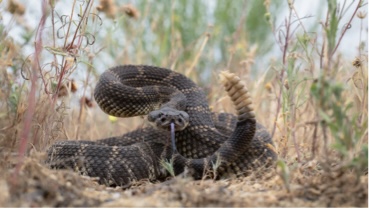
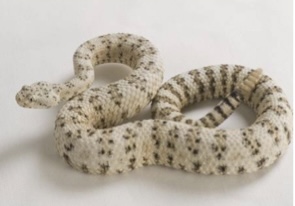
- Southwestern Speckled Rattlesnake (Crotalus pyrrhus): Highly camouflaged to blend into the granite and rocky terrain of the desert foothills. Their coloration varies greatly from cream and pink to dark gray. Venom is primarily hemotoxic (affects blood coagulation).
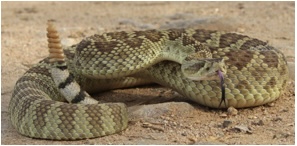
- Mojave Rattlesnake (Crotalus scutulatus): Often referred to as the “Mojave Green,” this is the most famous—and most venomous—rattlesnake in the area. They are identifiable by the white and dark bands on their tails and prefer brushy, open desert floors. Venom has neurologic, hemorrhagic and muscle tissue damaging effects.
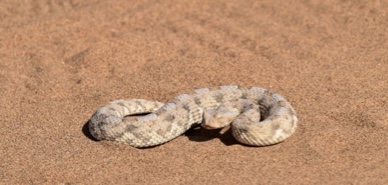
- Sidewinder (Crotalus cerastes): Also known as the horned rattler, these are the smallest rattlesnakes in California. They are best recognized by the horn-like scales above their eyes and their unique “sidewinding” movement across the sand. Venom has primarily hemorrhagic toxins.
- Southern Pacific Rattlesnake (Crotalus helleri): Highly venomous. In the Idyllwild/San Jacinto region, their venom is known to be particularly potent and can contain a mix of hemotoxic and potent neurotoxic components.