
Scorpions and Spiders
Scorpions:
Stripe-tailed (or Devil) Scorpion (Common Desert Scorpion): These are smaller, brownish scorpions often found hiding around cinder block walls and rock beds. Their sting is painful but typically harmless to healthy adults.
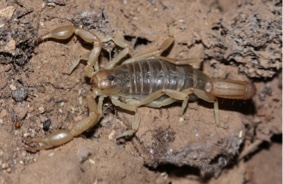
Giant Desert Hairy Scorpion: As the largest scorpion in North America, they can grow up to 6 inches long. Despite their intimidating size, their sting is usually mild—comparable to a bee or hornet sting—and rarely causes severe medical issues.
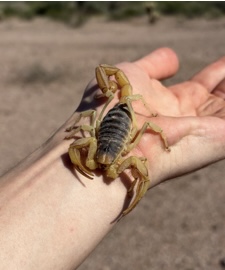
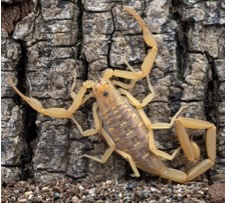
Arizona Bark Scorpion: This is the most venomous scorpion in North America. Its sting is extremely painful and can cause severe symptoms like numbness, muscle twitching, and breathing difficulties. While historically more common near the Colorado River, established populations have been found in local cities like Indio and Palm Desert. However, it still remains relatively uncommon locally. Immediate medical attention is recommended for children, the elderly, or those having allergic reactions.
Spiders:
In the Coachella Valley, the Western Black Widow is the only native spider with venom medically significant to humans. Brown Recluse spiders do not naturally live in Southern California, and bites are exceedingly rare.
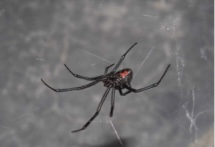
The Western Black Widow is easily recognized by its glossy black body and the distinct red “hourglass” marking on the underside of its abdomen. They prefer dark, undisturbed, and cluttered areas—commonly nesting inside cluttered garages, outdoor sheds, patio furniture, woodpiles, and water meter boxes.
Symptoms: Bites are neurotoxic, causing intense pain, muscle cramps, nausea, and sweating. Fatality is extremely rare: While painful, bites are rarely fatal for healthy adults if treated, and antivenom is available at local medical centers.
Treatment: Seek immediate medical attention.
(Sources: Various) The information provided on this CVHC page is for general informational and educational purposes only. It is not a substitute for professional medical advice, diagnosis, or treatment.